The Unspoken Weight of a Pay Rise That Feels Too Late
Understanding the unspoken weight of a pay rise that feels too late.
Read article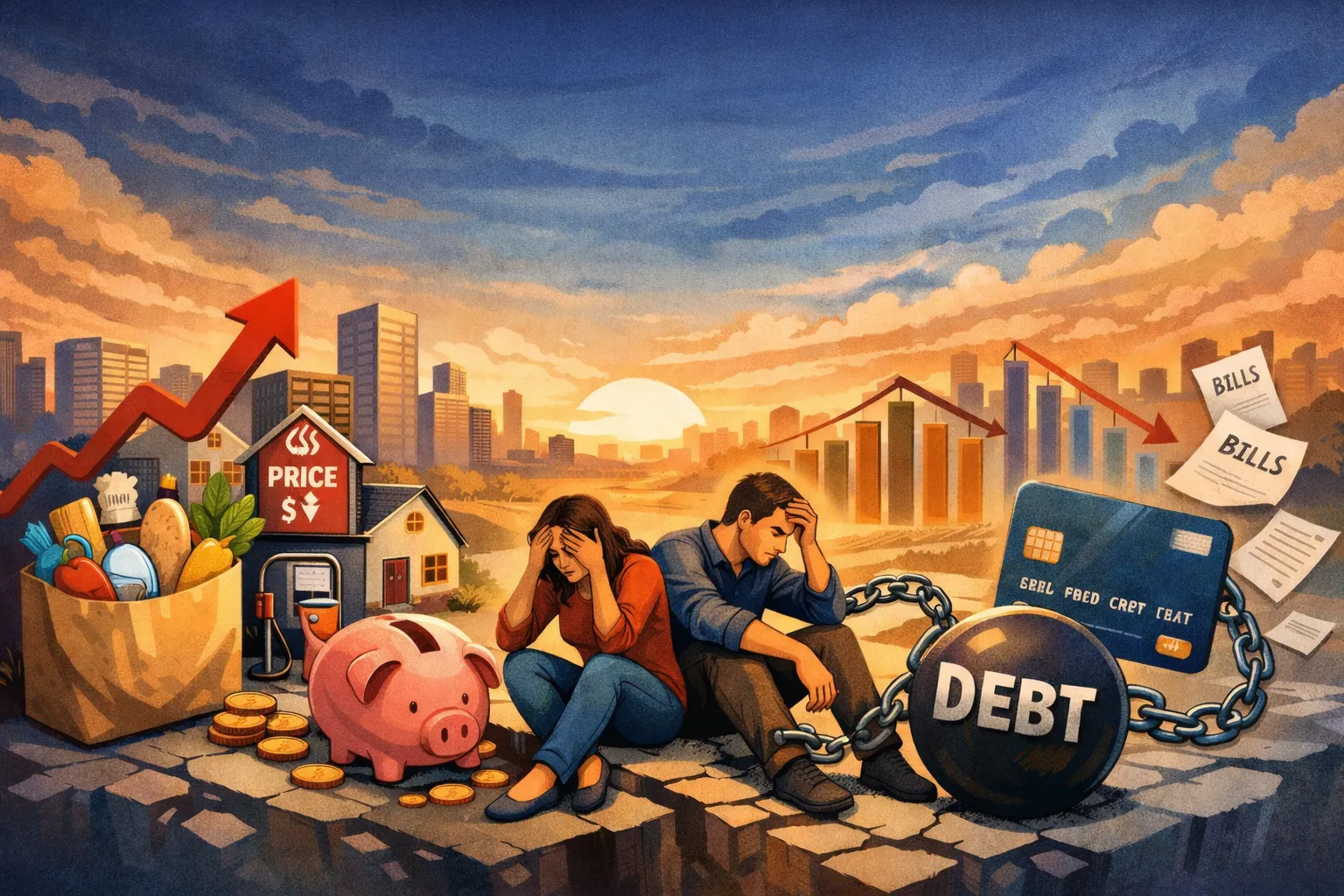
Explaining how money actually works in modern life.
Recent posts from across the site.
Understanding the unspoken weight of a pay rise that feels too late.
Read articleUnderstanding the unspoken weight of a cost you can't avoid.
Read articleUnderstanding the psychology of a job offer that still feels wrong.
Read articleUnderstanding the psychology of spending when you feel left behind.
Read articleUnderstanding the quiet shame of a debt you never chose.
Read articleUnderstanding the quiet pressure of a debt you share with no one.
Read articleUnderstanding the uncomfortable truth about earning more and saving less.
Read articleUnderstanding the quiet pressure of a bill you already paid.
Read articleUnderstanding the uncomfortable truth about owing a friend money.
Read articleUnderstanding the psychology of spending to feel in control.
Read articleUnderstanding the emotional weight of a cost that keeps climbing.
Read articleUnderstanding the uncomfortable truth about everyday spending guilt.
Read articleUnderstanding the psychology of a debt you keep restarting.
Read articleUnderstanding the uncomfortable truth about saving for emergencies.
Read articleUnderstanding the quiet dread of a debt you almost forgot.
Read articleUnderstanding the unspoken weight of a job you can't afford to leave.
Read articleUnderstanding the uncomfortable truth about saving in an anxious world.
Read articleUnderstanding the unspoken weight of spending on a bad day.
Read articleUnderstanding the unspoken weight of a purchase you regret.
Read articleUnderstanding the emotional weight of a cost you planned for.
Read articleUnderstanding the quiet pressure of a debt you keep avoiding.
Read articleUnderstanding the quiet shame of spending to feel better.
Read articleUnderstanding the quiet pressure of a job that barely keeps up.
Read articleUnderstanding the quiet pressure of a savings account that stays empty.
Read articleUnderstanding the unspoken weight of spending on someone you love.
Read articleUnderstanding the surprising emotional cost of a balanced budget.
Read articleUnderstanding the quiet cost of feeling safe with your money.
Read articleUnderstanding the unspoken cost of a bill you already budgeted for.
Read articleUnderstanding the emotional weight of a job you've already outgrown.
Read articleUnderstanding which everyday purchases add up the fastest?.
Read articleUnderstanding the quiet shame of a debt you keep restarting.
Read articleUnderstanding the unspoken weight of a bill you saw coming.
Read articleUnderstanding the emotional weight of never feeling caught up.
Read articleUnderstanding the quiet pressure of spending to belong.
Read articleUnderstanding the unspoken cost of a job that pays just enough.
Read articleUnderstanding the silent pressure of a debt that follows you.
Read articleUnderstanding the quiet pressure of a job title you've outgrown.
Read articleUnderstanding the quiet pressure of a password you pay to keep.
Read articleUnderstanding the unspoken cost of eating out less to cope.
Read articleUnderstanding the uncomfortable truth about tipping culture.
Read articleUnderstanding the unspoken cost of a raise that changes nothing.
Read articleUnderstanding the unspoken cost of rounding up at the register.
Read articleUnderstanding the unspoken weight of a salary you've outgrown.
Read articleUnderstanding the unspoken weight of buying things you can't return.
Read articleUnderstanding the quiet shame of spending on comfort.
Read articleUnderstanding the quiet pressure of a savings goal that never lands.
Read articleUnderstanding the quiet pressure of a job that pays less each year.
Read articleUnderstanding the quiet shame of being in debt at your age.
Read articleUnderstanding the quiet pressure of a bill you can't plan for.
Read articleUnderstanding the quiet pressure of working more to stay still.
Read articleUnderstanding the quiet pressure of never feeling safe enough to save.
Read articleUnderstanding the quiet pressure of earning more but saving less.
Read articleUnderstanding the awkward truth about splitting bills with a partner.
Read articleUnderstanding the quiet pressure of a raise that changes nothing.
Read articleUnderstanding the emotional weight of a bill you can't predict.
Read articleUnderstanding the quiet pressure of debt you didn't choose.
Read articleUnderstanding the quiet pressure of spending around people you love.
Read articleUnderstanding the unspoken pressure of spending around friends.
Read articleUnderstanding the emotional weight of debt you can't see coming.
Read articleUnderstanding the quiet pressure of a debt that grows itself.
Read articleUnderstanding the quiet shame of googling basic money terms.
Read articleUnderstanding the unspoken cost of renting your whole life.
Read articleUnderstanding the emotional toll of never feeling financially stable.
Read articleUnderstanding the uncomfortable truth about keeping an emergency fund.
Read articleUnderstanding the quiet pressure of a debt that never shrinks.
Read articleUnderstanding the uncomfortable truth about emergency savings.
Read articleUnderstanding the uncomfortable truth about financial burnout.
Read articleUnderstanding the uncomfortable truth about spending on yourself.
Read articleUnderstanding the emotional weight of spending you barely notice.
Read articleUnderstanding the unspoken weight of splitting costs with a partner.
Read articleUnderstanding the emotional weight of everyday financial choices.
Read articleUnderstanding the hidden cost of financial anxiety.
Read articleUnderstanding the hidden cost of splitting bills with friends.
Read articleUnderstanding the hidden cost of always needing a backup plan.
Read articleUnderstanding the hidden cost of financial comparison culture.
Read articleUnderstanding salary dissatisfaction emotional wellbeing career advice.
Read articleUnderstanding hidden costs of convenience in modern life.
Read articleUnderstanding the hidden cost of keeping up appearances.
Read articleUnderstanding cost predictability in health.
Read articleUnderstanding checking your bank account causes anxiety.
Read articleUnderstanding understanding the gap between prices and paychecks.
Read articleUnderstanding the hidden cost of carrying financial stress.
Read articleWhy you can earn a decent salary and still feel underpaid — and why that feeling is rooted in psychology, not ingratitude.
Read articleAlways feeling behind financially? It's not a personal failure. Here's why modern money systems are designed to keep you feeling that way.
Read articleKeeping money safe can quietly cost you. Explore the psychology and systems behind why financial security feels harder to build than it should.
Read articleRetirement planning feels impossible for good reason. Discover the psychological and systemic forces making long-term saving so hard in modern life.
Read articleDiscover why saving feels impossible in modern life — and why you're not to blame. The systems, psychology, and pressures keeping us financially fragile.
Read articleEven with a steady income, financial anxiety can feel constant. Here's why your brain keeps sounding the alarm — and what that costs you.
Read articleBrowse all Everyday Money articles.
View topicBrowse all Costs & Expenses articles.
View topicBrowse all Work & Income articles.
View topicBrowse all Debt & Pressure articles.
View topicBrowse all Financial Stress articles.
View topicBrowse all Saving & Security articles.
View topicBrowse all Spending & Behavior articles.
View topic